Our Services
Gan Yarok: America's first green Jewish cemetery
“We are making a natural spot, the holiest place that a resting body can have.”
— Rabbi Judah Dardik, Congregation Beth Jacob
Jewish burial at Gan Yarok
The Gan Yarok Association includes Congregation Rodef Sholom in San Rafael; Congregation Beth Jacob, Congregation Beth Israel, and Netivot Shalom in Berkeley; and Kehilla Community Synagogue in Piedmont. Families associated with these congregations may ask their congregation leader for details or contact info@fernwood.com for special pricing considerations.

Orthodox section
For families who honor traditional Jewish practices, this section of Gan Yarok provides Orthodox burial. The Orthodox section of Gan Yarok was developed in collaboration with Modern Orthodox congregations Beth Jacob and Beth Israel in Berkeley.
Conservative section

For families with strong Jewish values in the Conservative (Masorti) tradition, this section of Gan Yarok offers Conservative burial. It was shaped in partnership with Netivot Shalom in Berkeley.
Reform section
For families affiliated with Reform Judaism and its inclusive and flexible practices, this section of Gan Yarok offers Reform burial services. It was created in partnership with Congregation Rodef Sholom in San Rafael and Kehilla Community Synagogue in Piedmont and Oakland.
Ecological burial options

Wood & wicker caskets
Crafted from natural, untreated wood or wicker, biodegradable caskets support ecological burial and sustainable burial practices.
Tahara
Shrouds
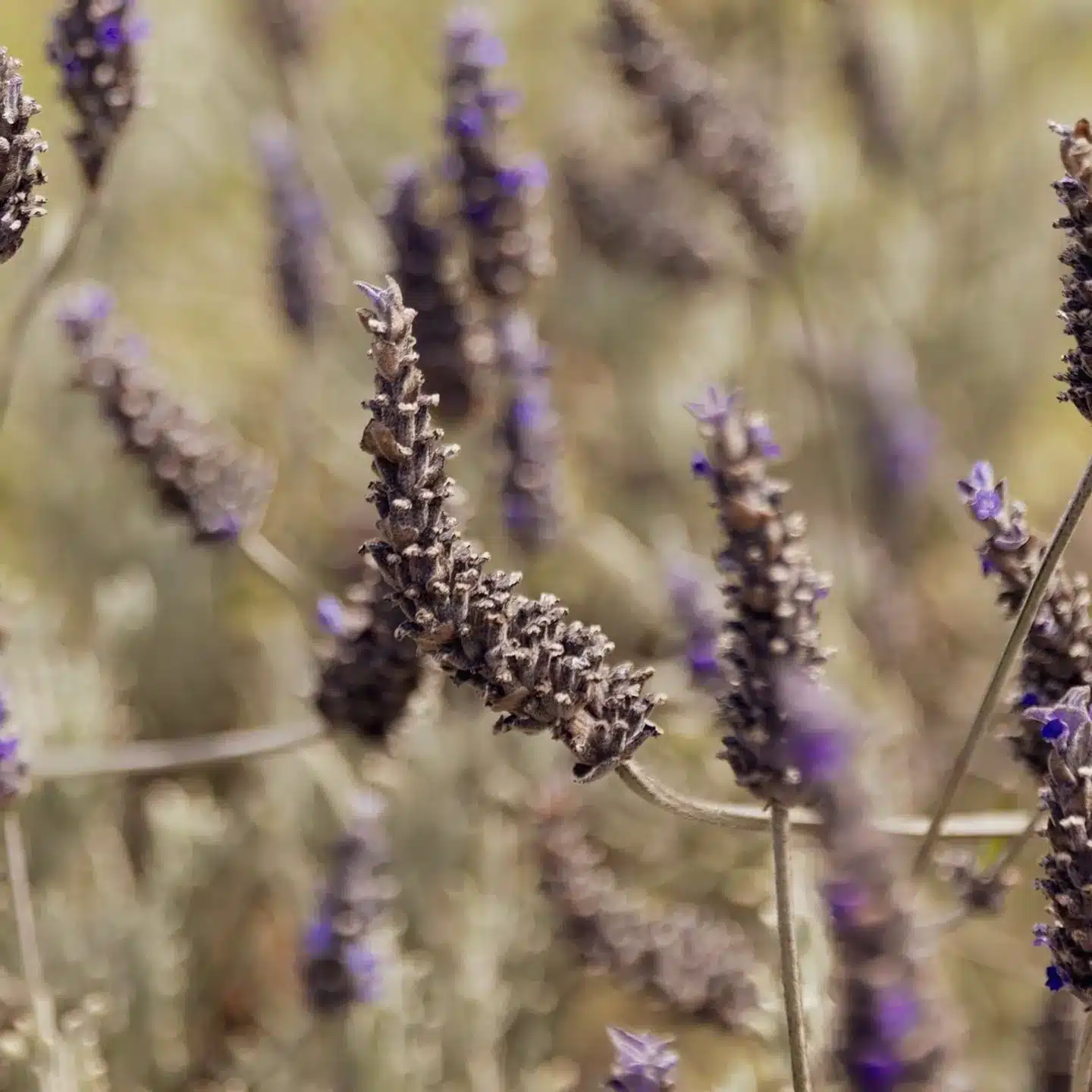
Burial in a simple shroud is a traditional Jewish burial option. Shrouds are made from natural fibers such as cotton, linen, or bamboo, supporting biodegradable, sustainable burial.
Natural stone markers
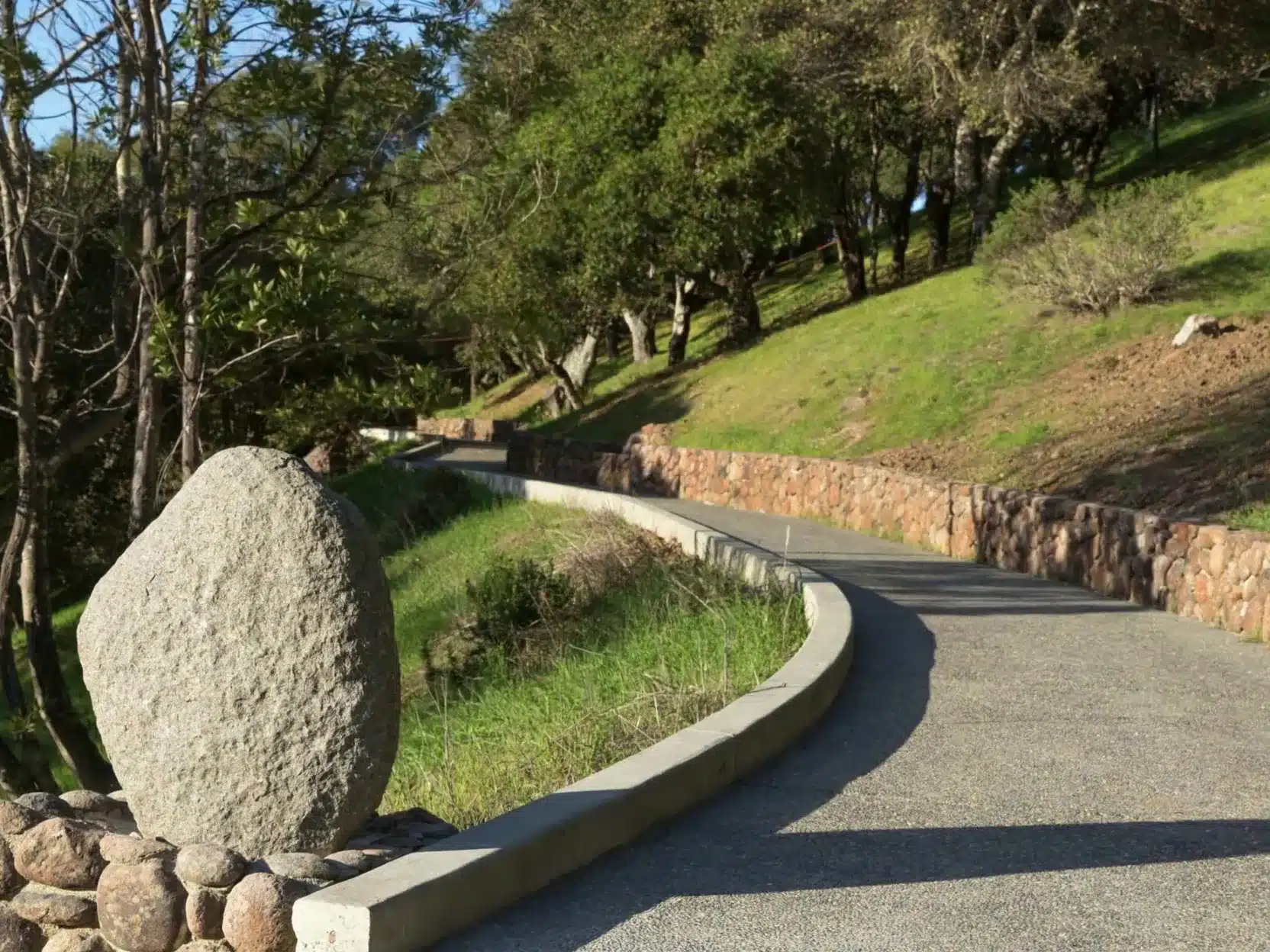
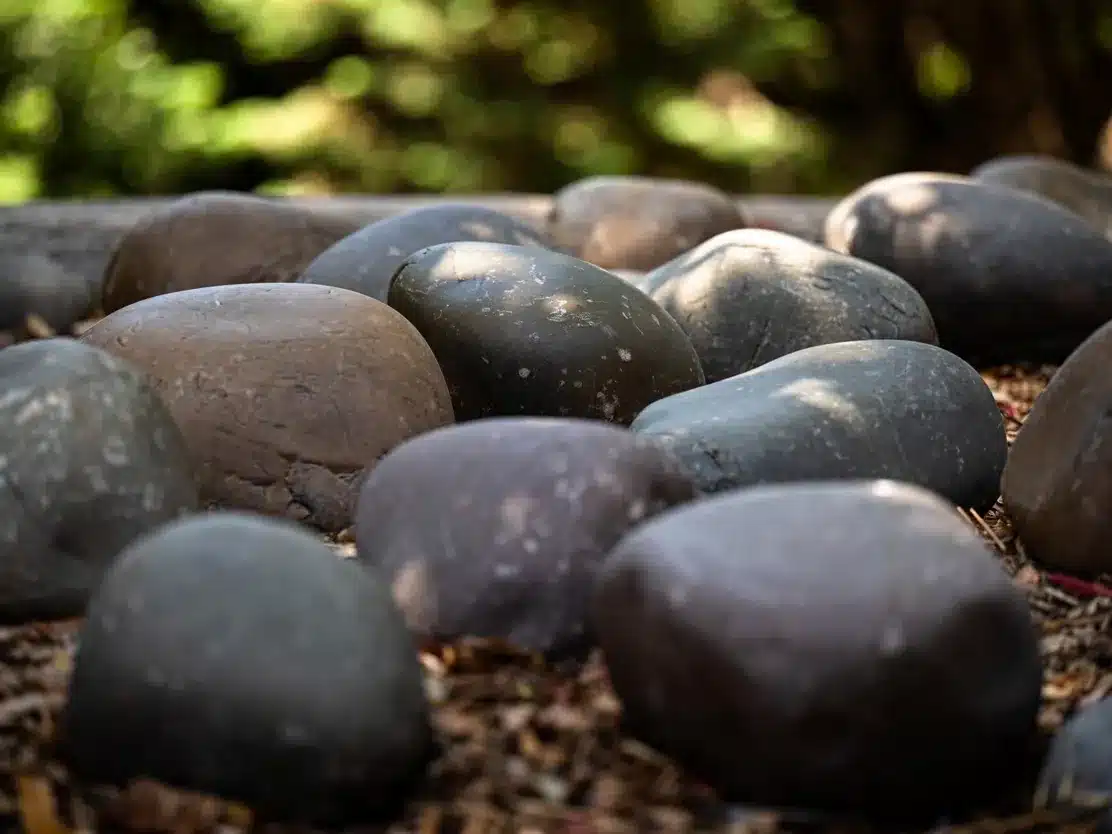
Instead of traditional headstones, Gan Yarok uses natural stone memorial markers. Boulders are selected and engraved simply to blend into the natural landscape.
History of Gan Yarok
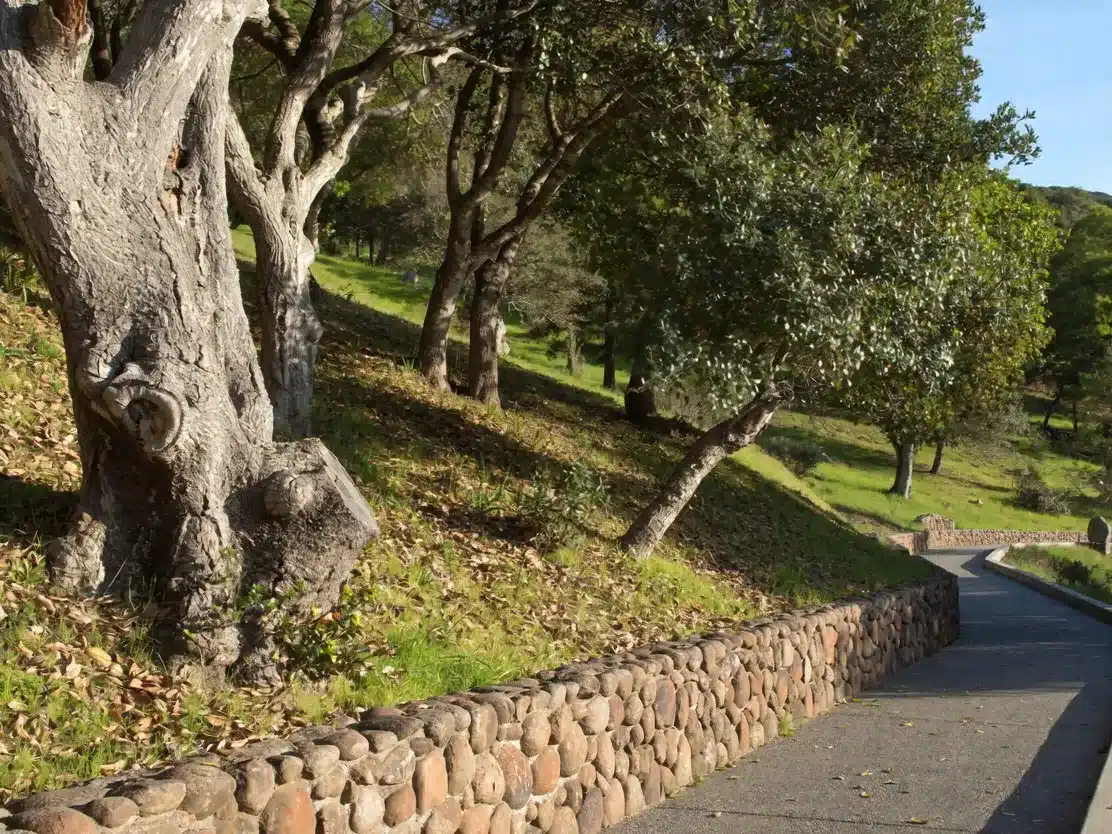
Gan Yarok was established to serve the Jewish community as a final resting place rooted in nature and guided by tradition. The cemetery was shaped in close partnership with five Jewish congregations across the San Francisco Bay Area, representing Orthodox, Conservative, and Reform Judaism, whose guidance and insight informed its development.
In March 2010, the land was consecrated through a traditional ceremony that included seven circuits of the grounds and the recitation of tehillim. When Gan Yarok expanded in August 2018, the community gathered again for a second consecration, offering tzedakah at the end of each circuit to dedicate the land to different social justice causes.
A vision rooted in land, care & memory
Mindfully guiding a return to nature
Returning to the earth is a sacred and timeless passage. This belief guides Fernwood’s commitment to green burial and environmentally mindful cremation, carried out through certified sustainable practices that honor life and the land.
Continuing memory through place
A final resting place allows remembrance to take on physical form, where cherished memories can be recalled, and connections with loved ones endure. At Fernwood, this is defined by the peaceful, restorative presence of nature.
Ongoing, connected care
We guide families as they move through loss with an experience that feels right for them. All services are carried out in-house — loved ones never leave our care — with every step shaped by emotional, cultural, and sensory fluency.
Frequently asked questions
What is the Jewish burial process?
The Jewish burial process emphasizes dignity, simplicity, and care for the deceased. Preparation is traditionally carried out by the chevra kadisha, followed by burial as soon as reasonably possible.
Why is embalming not typically used in Jewish burials?
Embalming is generally avoided in Jewish burial traditions because it interferes with a natural return to the earth. Jewish customs emphasize allowing the body to return naturally, without chemical preservation.
How is a Jewish funeral typically held?
A Jewish funeral is usually simple and focused, often including prayers and reflections led by a rabbi or officiant. Services may take place before burial, followed by a graveside ceremony.
What are Jewish funeral customs for mourning?
Jewish mourning customs offer structured support for grief over time. Practices may include a shiva, the recitation of Kaddish, and communal presence, helping families honor loss through remembrance and care.
Can non-Jews attend a Jewish funeral?
Yes. Jewish funerals are generally open to non-Jewish family members and friends. Attendance is considered an act of respect and support, and guests are welcome to participate in ways that feel appropriate.